26. 02. 26
In recent years, talking about production efficiency no longer means limiting ourselves to evaluating processing times or output volumes. Today, a truly high-performing plant is one that manages to combine Productivity, safety, and ergonomics, putting not only the car at the center, but also the people who use it every day.
In this context, the automated material handling systems they represent a key element. It's not simply about “transporting” products from one point to another along the line, but about designing intelligent, continuous, and safe flows, capable of reducing operational risk and concretely improving working conditions.
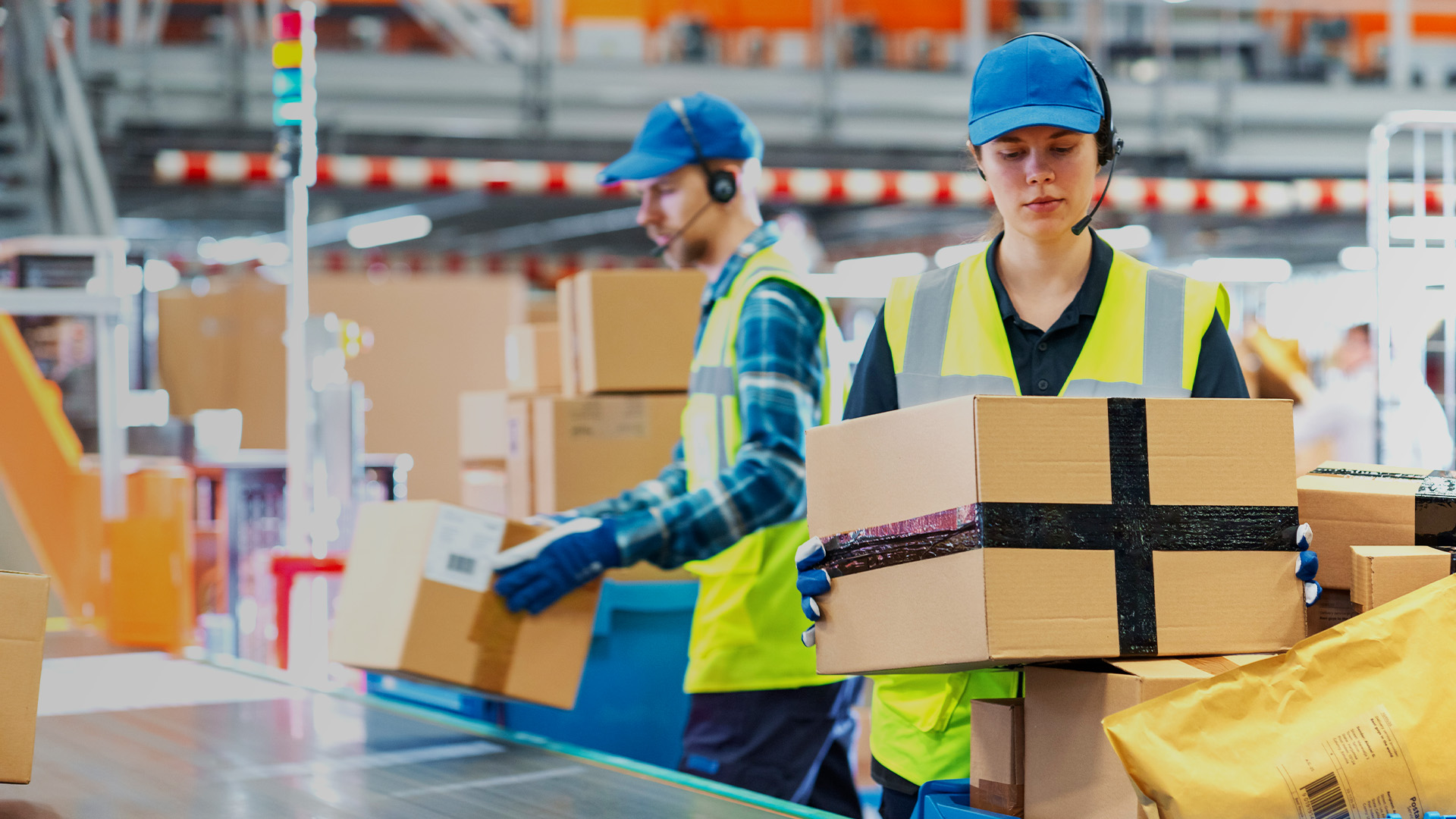
In many industrial contexts, manual material handling is still a widespread reality. Even when dealing with seemingly light loads, repetitive motions, incorrect postures, or high work rates can over time generate fatigue, physical stress, and, in more serious cases, injuries.
The introduction of Automated systems allows for a complete rethinking of this aspect. Automating means minimize manual interventions in the most repetitive and potentially critical operations, entrusting the system with material flow management. Conveyor belts, separation systems, and integrated handling solutions allow for the creation of production lines where the operator's work focuses on higher value-added activities, reducing exposure to unnecessary risks.
Often, ergonomics is considered a secondary element, almost a “benefit” for the operator. In reality, An ergonomic work environment has a direct impact on the quality and continuity of production.
Properly designed workstations, well-organized workflows, and integrated transportation systems allow operators to work more naturally, reducing unnecessary movements and physical stress. This translates into greater precision, a lower incidence of errors, and, in general, a higher quality of the production process.
Automated systems help create this balance by adapting to the line's needs and ensuring a constant, controlled flow of materials. It's not just about speed, but about continuity: a plant that works without unnecessary interruptions is a safer and more stable plant.
In industrial handling, one of the most critical aspects is flow management. Accumulations, blockages, or misalignments can generate inefficiencies, but also risky situations for operators.
The Automated systems allow for continuous and regulated flow, adapting to production variations and ensuring smooth material management. This means fewer manual interventions to unblock critical situations, less machine downtime, and, most importantly, less exposure to potentially dangerous conditions.
Custom solutions, such as curved conveyor belts, tilted systems o separation modules, allow the plant layout to be adapted to the specific needs of the space and process, further improving overall safety.
Industrial Handling Automation it represents much more than a technological evolution: it is a cultural change that puts the quality of work and people's safety at its center.
Designing transportation systems today means building environments where efficiency and well-being can coexist, where technology supports the operator and doesn't replace them, but helps them work better and safer.
A fundamental part of the industry's future is being played out in this balance: a future in which innovation is not just synonymous with performance, but also with concrete attention towards those who, every day, contribute to making production processes work.

P.I. 00855480125 | Cap. Soc. € 1,560,000 i.v. | VARESE Business Register | Tax Code 05970930151 | VARESE R.E.A. no. 184602